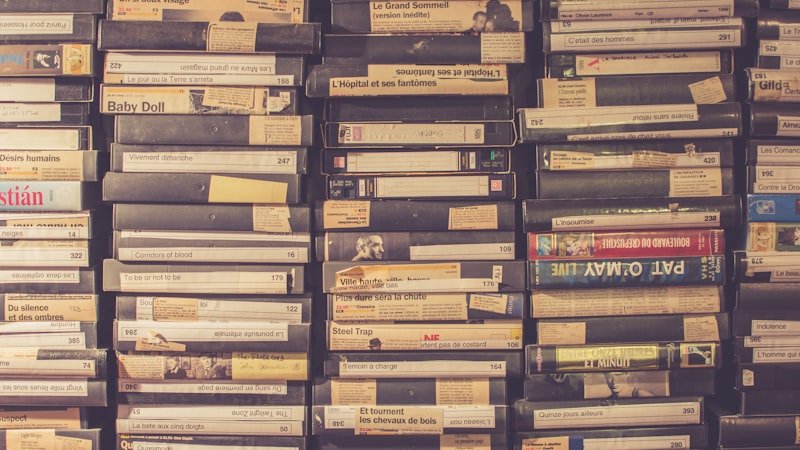
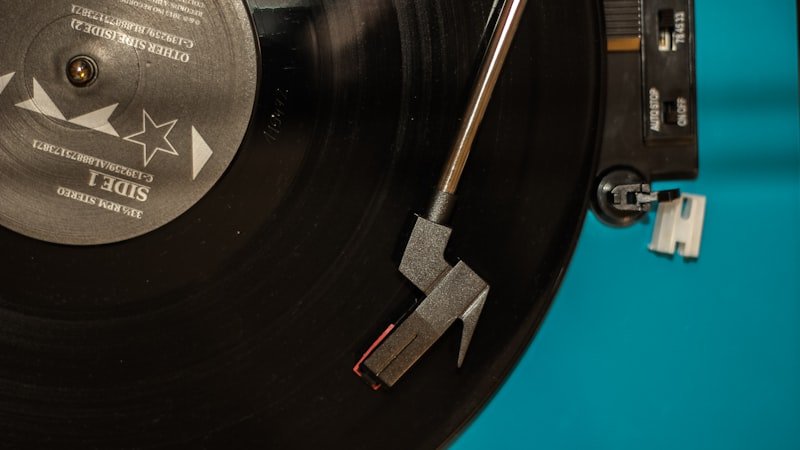
Open Instagram and count the film grain. The disposable camera aesthetic. The vinyl record flat-lays. The journaling videos with fountain pens and wax seals.
If you didn't know better, you'd think it was 1998. But it's 2026, and the analog revival is one of the defining cultural movements of the decade.
The Numbers Don't Lie
This isn't just vibes. It's a measurable shift in consumer behavior:
- Vinyl records have outsold CDs for several consecutive years. In the US alone, vinyl sales exceeded $1.2 billion in 2023 and continue climbing.
- Film cameras from the mid-2000s — especially point-and-shoot models from Canon, Olympus, and Nikon — are selling for 4 to 8 times their original retail prices on the secondhand market.
- Sales of basic phones among 18-to-24-year-olds increased 148% between 2021 and 2024.
- Physical book sales have outperformed ebooks every year since 2016, with independent bookstores seeing particular growth.
- Board game sales hit record highs, with the hobby game market surpassing $3 billion.
BizTech Weekly called it the "2026 Analog Revival." Fortune attributed it to Gen Z's "yearning for a world before tech ruined everything."
Why Analog? Why Now?
Three forces are driving the shift:
1. The Imperfection Premium
Digital is perfect. Every photo is crisp. Every song is lossless. Every surface is smooth. And perfection, it turns out, is boring.
Film grain, vinyl crackle, and ink smudges aren't flaws. They're proof of physicality. They remind you that a human hand was involved, that a moment existed in actual space and time. In a world drowning in pixel-perfect AI-generated content, imperfection has become the ultimate signal of authenticity.
2. Friction as Feature
A digital photo costs nothing. You take 47 shots and delete 46. A roll of film gives you 24 or 36 exposures. Each one costs money. That constraint forces you to be deliberate — to compose, to wait, to choose your moment carefully.
The same applies to vinyl. You can't skip tracks as easily. You have to flip the record. The ritual demands attention. And attention is exactly what digital trained us to stop giving.
3. Ownership in a Rental Economy
You don't own your Spotify playlists. They can disappear when licensing deals change. You don't own your digital books — Amazon can (and has) removed them from Kindles remotely. But a vinyl record? A physical book? Those are yours. No subscription required. No terms of service. No cloud dependency.
In an era where everything is rented, streamed, and licensed, owning a physical object feels almost radical.
The Aesthetic Angle
The Frutiger Aero aesthetic — named after the glossy, nature-infused design language of 2004-2013 — has become a massive visual trend. Think Windows Vista wallpapers, early iPhone interfaces, and tech ads featuring water droplets on leaves.
It represents a specific kind of tech optimism: the belief that technology and nature could coexist beautifully. For Gen Z, discovering this aesthetic feels like finding evidence of a more hopeful worldview that got lost along the way.
Is It Sustainable?
Critics call the analog revival performative. You're posting your film photos on a digital platform. You're buying vinyl to photograph it for Instagram. The medium is analog; the distribution is digital.
Fair point. But maybe that's okay. The value isn't in rejecting digital entirely — it's in introducing friction, intentionality, and physicality back into a life that had become entirely frictionless. Even if you share the result digitally, the experience of creating it was different. Slower. More present. More yours.
What It Means
The analog revival isn't about going backward. It's about balance. It says: we love what technology can do, but we've lost something in the process, and we want some of it back.
Not all of it. Just enough to remember what it feels like to hold something real.