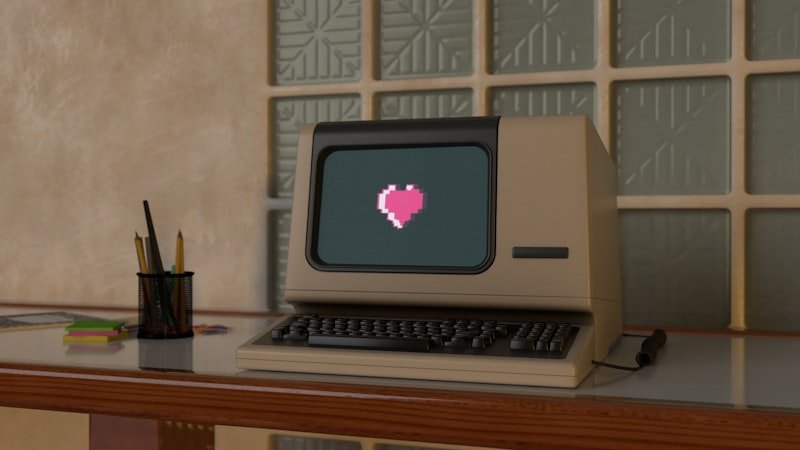
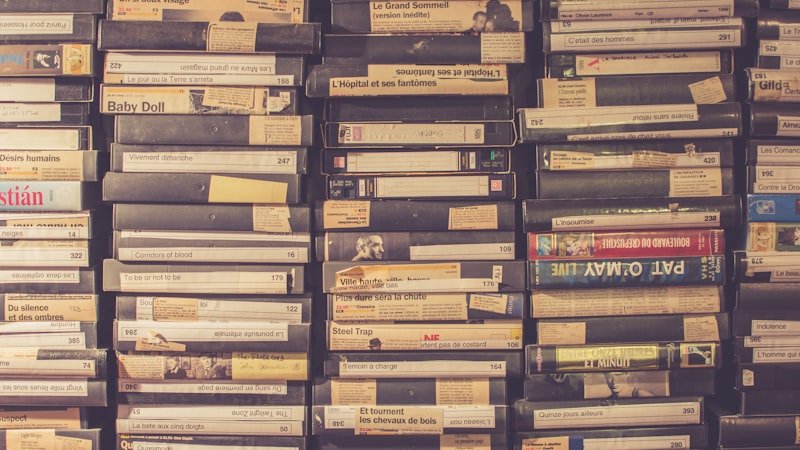
Scroll through TikTok long enough and you'll find them: teenagers lip-syncing to 90s R&B, editing footage to look like VHS tapes, and captioning everything with "I was born in the wrong generation."
They're not performing. They genuinely feel it. And there's a word for what they're experiencing: anemoia.
What Is Anemoia?
Coined by John Koenig in The Dictionary of Obscure Sorrows, anemoia describes nostalgia for a time you've never personally experienced. It's the ache you feel watching a 1970s home movie of strangers. The longing triggered by a photo of a diner you've never visited, in a decade you never lived through.
For Gen Z, that longing is pointed squarely at the 1990s and early 2000s — an era they know only through media, memes, and their parents' stories.
Why the 90s?
To understand the pull, you have to understand what the 90s represent to someone who never experienced them:
- Disconnection as freedom. No smartphones, no social media, no constant surveillance. The 90s feel like the last era where you could be a kid without a digital footprint.
- Analog authenticity. Film cameras, mix tapes, handwritten notes. Everything required effort, and effort implied meaning.
- Cultural monoculture. Everyone watched the same shows, listened to the same radio stations, and referenced the same movies. There was a shared cultural experience that feels impossible in today's fragmented media landscape.
- Optimism. The Cold War was over. The economy was booming. The internet was new and exciting. The future felt hopeful.
The Psychology Behind It
Dr. Cathy R. Cox, a psychologist at Texas Christian University who studies nostalgia, explains that nostalgic feelings serve a psychological purpose: they provide comfort, strengthen identity, and create a sense of meaning.
For Gen Z, growing up during a pandemic, climate anxiety, political polarization, and an overwhelming digital environment, anemoia isn't just aesthetics. It's a coping mechanism.
A 2025 study published in The Drum found that 75% of consumers are more likely to engage with content that evokes nostalgia. But for Gen Z, the nostalgia isn't for their own past — it's for an imagined past that feels simpler, safer, and more authentic than their present.
"We're not nostalgic for the 90s. We're nostalgic for the feeling of the 90s — a feeling we've only ever seen in movies."
The Analog Revival
Anemoia isn't just a feeling — it's driving real consumer behavior:
- Sales of film cameras have surged year-over-year, with point-and-shoot models from 2004-2009 selling for 4-8x their original prices.
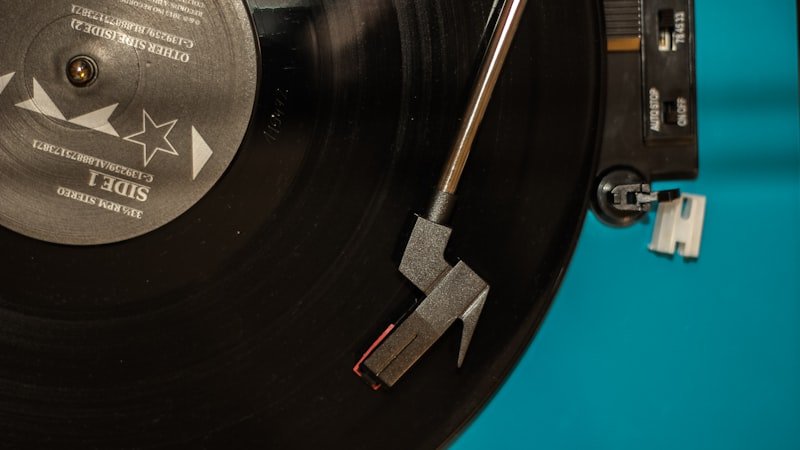
- Vinyl records have outsold CDs for several consecutive years.
- Nokia relaunched the 3210 for its 25th anniversary, and sales of "dumb phones" among 18-to-24-year-olds jumped 148% between 2021 and 2024.
- The Frutiger Aero aesthetic — the glossy, optimistic design language of early 2000s tech — has become a massive visual trend on TikTok and Instagram.
Is It Harmful?
Some critics argue that romanticizing the past is dangerous. The 90s had problems — serious ones — that nostalgia conveniently filters out. Idealizing a decade you didn't live through means you only see the highlight reel.
But defenders say anemoia is less about wanting to go back and more about wanting to go different. Gen Z isn't yearning for rotary phones. They're yearning for the qualities those phones represent: presence, patience, and a slower pace of life.
The Real Question
Anemoia reveals something important: every generation builds its identity partly by imagining a better elsewhere. For boomers, it was the 1950s. For millennials, it was the 80s. For Gen Z, it's the 90s.
The specific decade doesn't matter as much as the underlying need. We all want to believe that somewhere, somewhen, life was simpler. Whether or not it actually was.
And maybe that belief, however fictional, is exactly what helps us cope with the complexity of now.