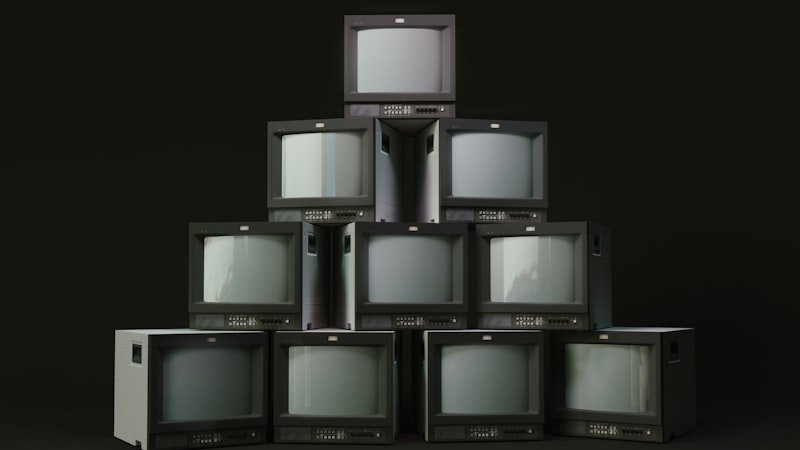
The internet didn't just change the world — it replaced it. Quietly, gradually, and often without anyone noticing, hundreds of everyday rituals, objects, and experiences vanished from our lives. Here are 100 of them.
Communication & Social Life
- Memorizing phone numbers. Your best friend's number used to live in your brain. Now it lives in the cloud.
- Busy signals. That frustrating beep-beep-beep? Gone. Now calls just go to voicemail you will never check.
- Leaving a message after the beep. Voicemail itself is slowly dying. Just text.
- Writing letters by hand. Pen pals were a real thing. Real pen, real paper, real patience.
- Passing notes in class. Replaced by texts sent under the desk.
- Having one phone per household. "Is Sarah there?" was a complete sentence.
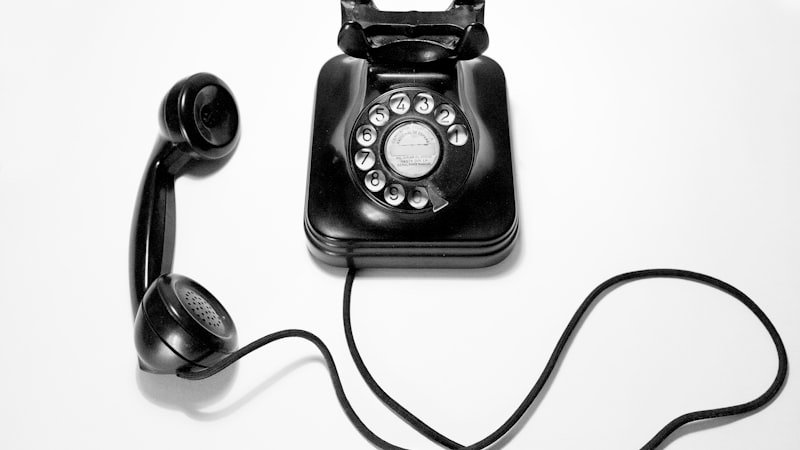
- Phone cords to twirl. An entire generation of fidgeters lost their favorite toy.
- Not knowing who's calling. Picking up the phone was a surprise every time.
- Making plans and sticking to them. No more "running 5 min late" texts. You just showed up.
- Getting truly lost from someone. You could disappear for hours and nobody worried (much).
Knowledge & Learning
- Encyclopedia sets. Twenty heavy volumes that made your bookshelf look impressive.
- Going to the library for research. Card catalogs, microfiche, and the smell of old paper.
- Asking an adult. "Go ask your father" has been replaced by "just Google it."
- Not knowing random facts. Pub quiz arguments used to last for days.
- Printed dictionaries. Thick, heavy, and the only place where "success" came before "work."
- Almanacs and yearbooks. Once the gold standard of data. Now a quaint relic.
- The mystery of not knowing. Sometimes wondering was half the fun.
- Teachers being the ultimate authority. Now a student can fact-check you mid-sentence.
- Learning one subject deeply. Rabbit holes have replaced deep dives.
- Attention spans longer than 30 seconds. This sentence is already pushing it.
Entertainment & Media
- Renting movies on a Friday night. Browsing the aisles at Blockbuster was an event.
- Rewinding tapes. "Be Kind, Rewind" — a moral code lost to streaming.
- TV guide magazines. Planning your week around what was on.
- Watching commercials. Love them or hate them, they were a shared cultural experience.
- Waiting a whole week for the next episode. Binge culture killed the cliffhanger conversation.
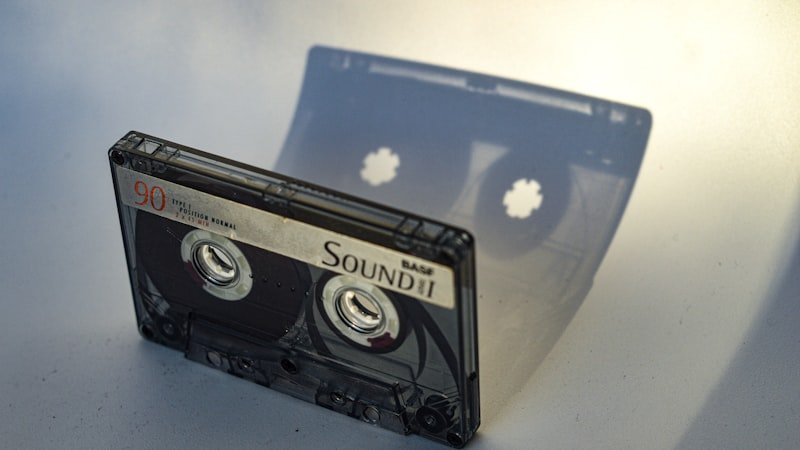
- Radio countdowns. Sitting by the radio with a blank cassette, ready to hit record.
- Album liner notes. Reading the lyrics, the thank-yous, the hidden messages.
- Mix tapes. The original curated playlist, made with love and a dual-cassette deck.
- CD towers. Furniture built to display your music taste.
- Record stores. Flipping through bins, discovering music by its cover art.
Shopping & Commerce
- Window shopping. Real windows, real stores, no targeted ads following you home.
- Mall culture. The food court, the fountain, the inexplicable joy of Spencer's Gifts.
- Catalog shopping. Sears, JCPenney — dreaming over glossy pages.
- Going to a travel agent. Someone else did the research and you trusted them.
- Haggling with a human. Now an algorithm decides if you get a discount.
- Paying with exact change. Counting coins at the register was an art form.
- Paper coupons. Clipping, organizing, and proudly presenting at checkout.
- Bank books. A physical record of every dollar, stamped by a teller.
- Classified ads for everything. Selling a couch? That'll be 3 lines in the newspaper.
- Store hours mattering. If you didn't get there by 9 PM, you were out of luck.
Navigation & Travel
- Paper maps. Folding them was a skill. Re-folding them was an impossibility.
- Asking for directions. "Turn left at the big oak tree" was valid GPS.
- Getting genuinely lost. A stressful but somehow beautiful experience.
- Road atlases. Thick spiral-bound books that lived in the glove compartment.
- Printing MapQuest directions. 17 pages of turn-by-turn instructions for a 30-minute drive.
- Exploring without spoilers. You didn't know what a restaurant looked like inside before arriving.
- Travel as mystery. Discovering a place without 500 Instagram posts telling you exactly what to expect.
- Postcards. "Wish you were here" meant something when it took a week to arrive.
- Airport arrival halls. Crowds waiting with handmade signs. Now everyone just texts "I'm here."
- Trusting your internal compass. Your sense of direction atrophied when GPS took over.
Work & Productivity
- Leaving work at work. 5 PM meant freedom. Now your inbox follows you everywhere.
- Typing pools. Entire rooms of people dedicated to turning handwriting into typed documents.
- Carbon paper. Making copies was a messy, hands-on affair.
- Fax machines being cutting-edge. "I'll fax it over" once sounded impressively modern.
- Rolodexes. A spinning wheel of your professional network.
- Business cards that mattered. Now they collect dust while LinkedIn does the work.
- Office supply closets. The thrill of a fresh pack of Post-its.
- Interoffice mail. Those reusable manila envelopes with a hundred crossed-out names.
- Snow days. Remote work means the blizzard can't save you anymore.
- Being unreachable. "Sorry, I didn't get your message" used to be believable.
Photography & Memories
- Waiting to develop film. The anticipation of picking up photos was unmatched.
- Disposable cameras. 27 exposures and zero do-overs.
- Photo albums. Physical books filled with printed memories.
- Bad photos staying private. Your unflattering angle wasn't going on the internet.
- Living in the moment. Nobody held up a phone to record the sunset. You just watched it.
- Double prints. One for you, one for your friend, from the same roll of film.
- Wallet photos. A proud parent would flip open their wallet to show you pictures.
- Slide shows. Actual slides projected on a screen, narrated by your uncle.
- The mystery of strangers in old photos. Now facial recognition can name them all.
- Photos with timestamps burned in. That orange "04/15/1998" in the corner was oddly charming.
Privacy & Identity
- Anonymity. You could move to a new city and truly start over.
- Forgetting your past. Embarrassing moments faded. Now they're indexed forever.
- Keeping your opinions to yourself. Hot takes stayed at the dinner table.
- Not being tracked. No GPS, no cookies, no "personalized experience."
- Paper trails being hard to follow. Now every click leaves a data point.
- Age being a mystery. You couldn't just look someone up.
- Separate personas. Your work self, friend self, and family self rarely collided.
- Blissful ignorance of others' lives. You didn't know what your ex had for breakfast.
- Unlisted phone numbers. The original "private account."
- Diaries with locks. Your thoughts were truly private.
Social Norms & Patience
- Patience. Waiting was just part of life. Now it's an inconvenience.
- Boredom. Staring out the window, daydreaming — your brain had downtime.
- Small talk with strangers. In waiting rooms and checkout lines, people actually talked.
- Eye contact. People looked at each other, not at screens.
- Handshake deals. Trust was personal, not Terms of Service.
- Showing up unannounced. Dropping by a friend's house was normal, not weird.
- Disagreeing without drama. You could argue and move on without a screenshot going viral.
- Dinner without phones. The only rectangle on the table was the napkin.
- Not knowing everything instantly. "I wonder..." was a complete thought.
- Seasonal anticipation. You waited all year for holiday specials. Now everything is on demand.
The Little Things
- TV test patterns. Broadcasting actually stopped at night. The day had an ending.
- Newspaper delivery. The thud on your doorstep every morning.
- Instruction manuals. Thick booklets you'd actually read before using something.
- Warranties you could find. Now it's a PDF buried in your email.
- Handwritten receipts. Shop owners who knew your name and wrote it down.
- Local expertise. The neighborhood person who knew everything about one thing.
- Silence. True, uninterrupted, notification-free silence.
- The sound of a modem connecting. That dial-up screech was the sound of the future arriving.
- Simpler choices. Three channels, two pizza places, one way to do things.
- The belief that the internet would make everything better. It did change everything — just not always in the ways we expected.
The internet gave us the world. But to get it, we traded a hundred small, beautiful, imperfect things. Most of them, we didn't even notice leaving.
What would you add to this list? What do you miss most about the pre-internet world?