Quick: what's your best friend's phone number? Your partner's? Your own parents'? If you're under 40, there's a good chance you just drew a blank.
There was a time when the average person had dozens of phone numbers committed to memory. Your brain was your contact list, your backup, your speed dial. Today, most of us couldn't recite more than two or three numbers if our lives depended on it.
The Age of Memorization
In the pre-smartphone era, memorizing phone numbers wasn't a party trick — it was a survival skill. If you wanted to call someone, you had to know their number or look it up in a phone book. There was no alternative.
Kids memorized their home number first, right alongside their address. It was one of the first "grown-up" things you learned, up there with tying your shoes and telling time. By your teenage years, you had a mental Rolodex of 20 to 30 numbers: friends, family, the local pizza place, and that one classmate you had a crush on.
"I still remember my childhood best friend's phone number. I haven't dialed it in 20 years."
What Changed
The shift happened gradually, then all at once. Here's the timeline:
- 1990s: Cell phones arrived, but you still punched in numbers manually. Memory held on.
- Early 2000s: Contact lists became standard. You entered a number once and never typed it again.
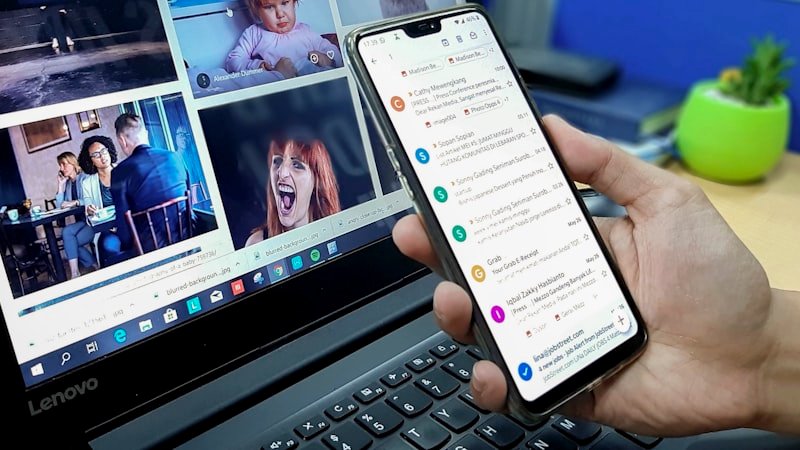
- 2007: The iPhone launched. Smartphones made the phone number almost invisible — you just tapped a name.
- 2010s: Apps like WhatsApp and iMessage meant you didn't even need to know someone's number to message them.
- Today: Phone numbers are more like account IDs than something you actually use.
The Science of Forgetting
Psychologists call this "cognitive offloading" — the tendency to rely on external devices to store information we'd otherwise keep in our heads. It's not that our brains got worse. It's that they got efficient. Why waste mental energy memorizing a string of digits when your phone remembers it perfectly?
Research from Columbia University showed that people are less likely to remember information they know they can easily access later. Your phone isn't just a tool — it's a cognitive crutch.
What We Actually Lost
Beyond the numbers themselves, we lost something more subtle:
- Independence in emergencies. If your phone dies or gets stolen, who can you call? Most people can't reach anyone without their device.
- A kind of intimacy. Knowing someone's number by heart meant they mattered enough to take up space in your brain.
- Mental exercise. Memorization kept a certain cognitive muscle flexed. Without it, we may be losing a form of mental fitness.
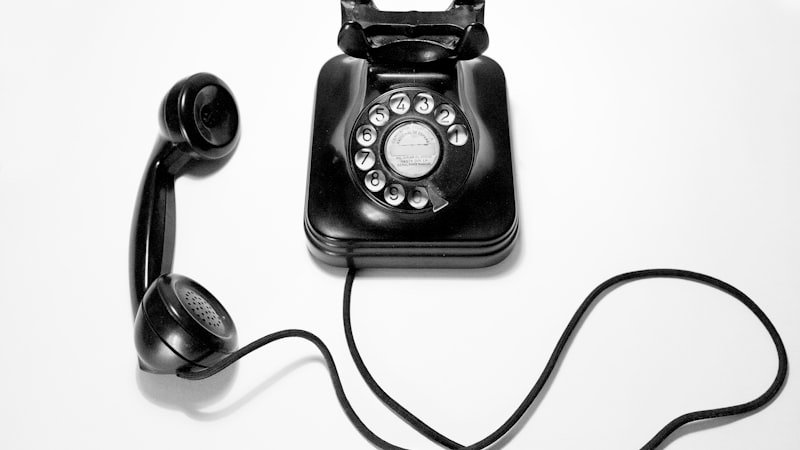
- The ritual of dialing. There was something meditative about punching in a number you knew by heart, each digit a tiny act of connection.
The Takeaway
We didn't choose to stop memorizing phone numbers. The technology chose for us. And in the grand scheme of things, it's a small loss. But it's also a perfect example of how the internet age reshapes us in ways we barely notice — quietly replacing one human habit at a time.
So here's a challenge: memorize one phone number this week. Just one. It'll feel strange, maybe even pointless. But your brain will thank you for the exercise.