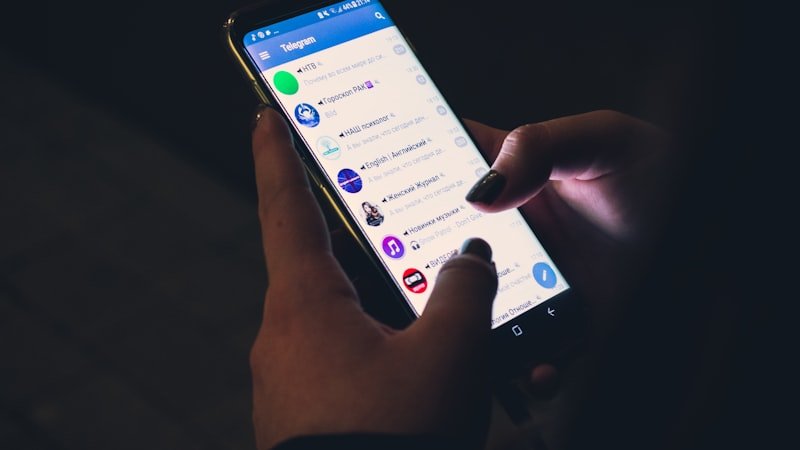
Here's a question that would have made zero sense in 1995: "How did you two meet?" followed by an awkward pause while someone tries to make "we both swiped right" sound romantic.
Dating apps didn't just change how we find partners. They changed what finding a partner feels like. And a growing number of people — especially Gen Z — are deciding they don't like the feeling.
What We Lost
Before dating apps, meeting someone was an unscripted event. You made eye contact at a coffee shop. You were introduced at a friend's party. You struck up a conversation in a bookstore because you were reaching for the same book.
These moments were inefficient, unpredictable, and often went nowhere. But when they worked, they created stories. Real stories. "We met on Hinge" just doesn't carry the same narrative weight as "we reached for the same copy of Norwegian Wood and our hands touched."
What dating apps replaced:
- Mystery. You used to learn about someone gradually, through conversation and observation. Now you know their height, job, and political affiliation before the first message.
- Effort as signal. Approaching someone in person required courage. That courage communicated interest in a way that a low-effort "hey" on an app never can.
- Organic chemistry. Physical presence reveals things a profile can't: voice, mannerisms, the way someone laughs, the energy between you. You can't swipe on chemistry.
- The role of community. When friends set you up, they acted as curators and vouchers. They knew both people. They had skin in the game. An algorithm has no skin in anything.
The Burnout Generation
Dating app fatigue is measurable. Studies show that while downloads remain high, engagement is dropping. Users report feeling like they're shopping for people — reducing humans to a set of filters and photos.
The paradox of choice applies ruthlessly: with thousands of options, commitment feels like settling. Why invest in one person when the next swipe might be "better"? This creates a cycle of shallow connections and chronic dissatisfaction that psychologists call the "dating app doom loop."
The Offline Dating Revival
Gen Z's response has been characteristically direct: just stop using the apps.
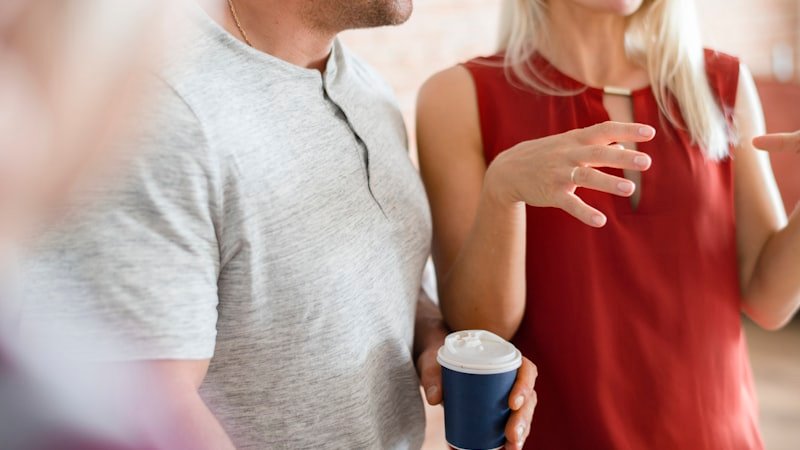
Offline dating events are booming. Speed dating, singles' hikes, book clubs explicitly marketed as places to meet people — these aren't your parents' matchmaking events. They're curated, low-pressure, and designed to create the organic interactions that apps eliminated.
Some trends driving the shift:
- "Third places" making a comeback. Coffee shops, community centers, hobby groups — physical spaces where people gather without the explicit purpose of dating, but where connections happen naturally.
- The "no phones" date. Couples and potential couples are deliberately leaving phones behind to force the kind of present, undistracted conversation that used to be the default.
- Friend-of-friend setups. The oldest matchmaking system in human history is having a renaissance, partly because Gen Z recognizes that their friends' judgment is more reliable than an algorithm's.
Will Apps Disappear?
Probably not. For many people — especially in cities, especially for marginalized communities who face safety concerns in approaching strangers — apps provide access to a dating pool that wouldn't otherwise exist.
But the monopoly is cracking. The idea that apps are the only way to meet someone is being actively challenged by a generation that grew up digital and chose analog.
The Bigger Story
The dating app backlash isn't really about dating. It's about the fundamental question of our era: what happens when you optimize human experiences for efficiency?
You get faster results, more options, and less friction. You also get less magic, less story, and less of the beautiful randomness that makes being human interesting.
The meet-cute wasn't efficient. That was the entire point.